The Decision Every Bowhunter Faces
You checked the forecast the night before. You checked it again when you woke up. You picked a stand that should have been perfect for the wind. Then you climbed into the tree—and the wind started blowing in a completely different direction. Now what? Do you stay and hope things settle down? Do you climb down and risk bumping deer on your way out? It's a decision nearly every bowhunter has faced. In our October 12 Killerwinds conversation, we explored that exact dilemma alongside the Ozonics Films project The Decision from Breaking Point TV.
The Forecast Does Not Always Tell the Whole Story
Weather apps are useful for comparing wind direction, speed, temperature, and approaching weather. But they describe broader conditions, not necessarily what the air is doing in a particular draw or timbered hillside. A forecast may call for a northwest wind while the air at your stand moves southeast. The question isn't only whether the forecast was wrong; it's how the terrain and local conditions are affecting the air around you.
The Case for Leaving
If your scent is moving toward a known bedding area or important travel corridor, staying may expose deer to your presence. The consequences can extend beyond a single sit. We talked about how repeated trips into a sensitive location can build hunting pressure, particularly when mature bucks are still appearing mainly after dark. Backing out early can sometimes protect a better opportunity later in October or November.
The Case for Staying
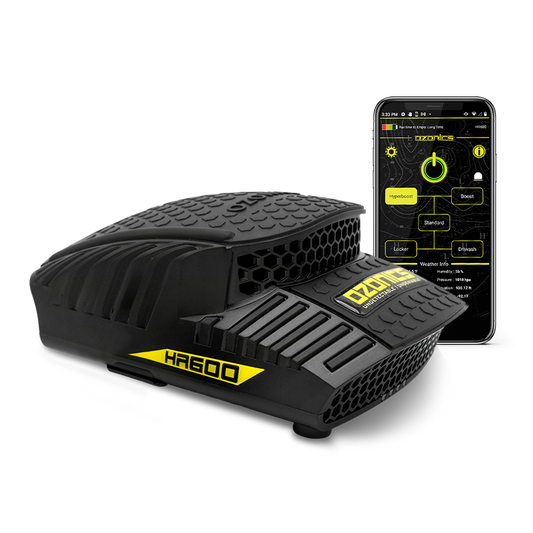
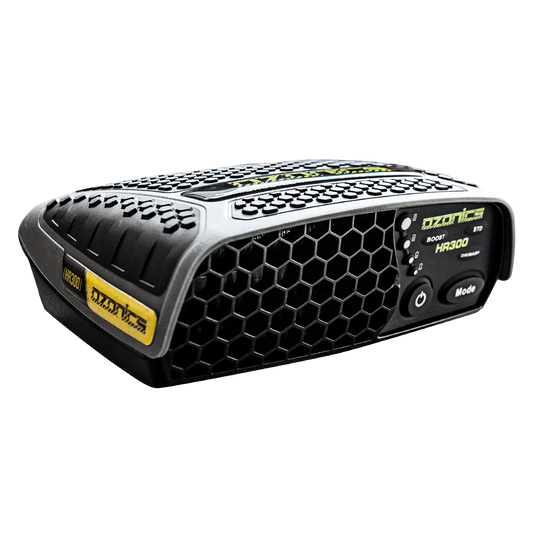
Leaving can create disturbance, too. If it's late afternoon and deer are beginning to move, walking out may put you directly in their path. Some hunters have only a few days to hunt and may have driven hours to reach their stand. We discussed how using Ozonics has influenced our own willingness to stay when the wind changes, while also acknowledging that no scent-control tool makes the decision risk-free.
October and November Are Different
In early October, we're often more conservative. If a mature buck isn't showing consistent daylight movement, pressuring his core area may not be worth it. As the rut approaches, buck movement can become less predictable, and we may become more aggressive. That doesn't mean the wind stops mattering. It means the balance between protecting a property and pursuing a fleeting opportunity changes.
Five Questions Before You Decide
Where is your scent actually going? What bedding cover, travel routes, or food sources lie downwind? Will your exit route disturb more deer than staying? How important is this location later in the season? And is there a backup stand with a more favorable wind? A wind indicator and an honest assessment of your access route can be more useful than repeatedly checking the forecast.
The Bottom Line
The stay-or-go decision isn't always obvious. You can prepare carefully and still encounter an unexpected wind. Protect your best locations when you can, pay attention to the air movement in the field, and think about the whole season rather than only the current sit. Sometimes the hardest part of bowhunting isn't making the shot. It's deciding whether to stay in the tree.
Frequently Asked Questions
Should I leave if the wind switches? Not always; consider scent direction, deer activity, your exit route, and future pressure. Is hunting an unfavorable wind always a mistake? It increases the risk of detection, but the consequences depend on the setup. Should I be more conservative in October? Often, especially when preserving sensitive locations for later-season hunts.
Listen to the Full Conversation
This article was developed from a discussion on the Killerwinds Podcast, where experienced hunters share real-world strategies, decisions, and lessons learned in the field. Watch or listen to the full conversation for additional insights into the tactics and experiences behind these hunting approaches.
Watch the Full Killerwinds Podcast Episode