A common concern from hunters
Hunters invest serious money in bibs, boots, jackets, and other technical clothing. Understandably, they want to know whether ozone can damage those materials. On Episode 120, the hosts discuss this question with a particularly memorable example: a hunter who left gear exposed to ozone for an extended period and later found that elastic components had deteriorated.
Why exposure time matters
Ozone is a powerful oxidant. Certain materials, including some rubbers and elastomers, can degrade when exposed to it. The effects depend on material composition, concentration, and duration. That is why more ozone for more hours is not automatically better when treating gear.
What the hosts mean by Dry Wash
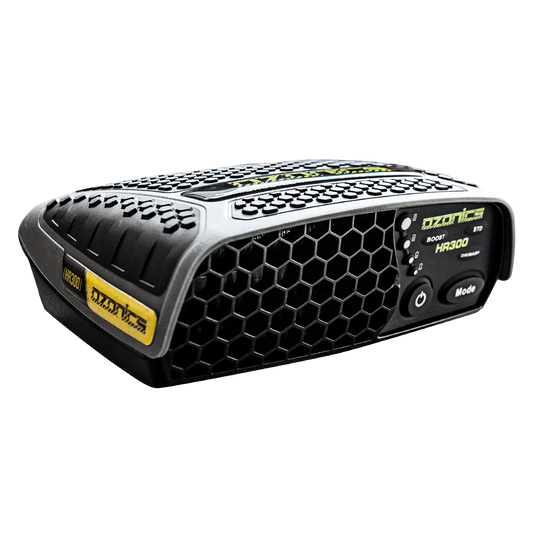
Cole describes Ozonics Dry Wash mode as a programmed process that cycles ozone generation and fresh-air movement rather than continuously running a high-output field mode. The hosts say they use the designated mode for clothing and have not experienced the kind of damage described in the overexposure story.
Do not improvise a treatment cycle
Their experience is not a blanket guarantee that every fabric, coating, or elastic will be unaffected. Use only a mode and configuration approved for your specific model, and follow the current product instructions for treatment duration, ventilation, and material compatibility. Do not leave a field unit running continuously in a sealed tote or occupied space as a substitute for the prescribed process.
The takeaway
The lesson from Episode 120 is not that ozone and clothing are always incompatible. It is that dosage and time matter. Use the correct equipment and programmed mode, and never assume that overnight exposure is harmless.
Frequently asked questions
Can ozone damage elastic or rubber?
Yes. Excessive exposure can degrade susceptible materials.
Is continuous field mode the same as Dry Wash?
No. The hosts distinguish the programmed Dry Wash process from prolonged, uncontrolled exposure.
Will every garment be safe in Dry Wash mode?
Material compatibility and approved use should be checked against the current product instructions.
Source episode: Killerwinds Podcast, Episode 120 — Rapid-Fire Ozonics Q&A (August 2025).
Listen to the Full Conversation
This article was developed from a discussion on the Killerwinds Podcast, where the Ozonics team explores scent management, ozone technology, and the practical application of Ozonics in the field. Watch or listen to the full conversation for a deeper understanding of the technology, its intended use, and the experiences behind it.
Watch the Full Killerwinds Podcast Episode