A wind tracker that went straight down
Buddy has spent a lot of seasons watching the wind from a treestand. Even so, one evening in Kentucky caught him off guard. The forecast and earlier conditions suggested a southwest wind, but it kept weakening. When Buddy released a small piece of wind-tracking fiber, it didn't drift away. It dropped almost straight to the ground.
He tried a smaller piece. Same result. Nick was there to see it. On another sit, Nick watched his own tracker travel opposite the direction he expected and climb. The air was doing something much more complicated than the general forecast suggested.
Why the wind at your face is not the whole story
A wind forecast describes a broader pattern. In the woods, terrain, vegetation, temperature differences and local air movement can create a different picture. A hunter might feel a breeze at head height while a lightweight tracker drops, rises or slides across a different route farther away.
Buddy made an important distinction during the conversation: a quick puff near your stand tells you what's happening close to you. A floating fiber can help you observe the air over a longer path. Neither tool predicts every change, but watching the path can reveal a problem that a compass direction alone won't.
Thermals are part of the setup
Nick described a situation where air movement near a field edge and cooler woods seemed to pull his tracker in an unexpected direction. The group called attention to thermals—the local air currents created as surfaces heat and cool—and how those currents can compete with weak prevailing winds.
It's tempting to label a stand 'good for a west wind' and stop thinking about it. This hunt is a reminder to test the air where you're actually sitting, especially when the breeze fades near evening. If the direction changes, reassess your setup rather than pretending the forecast is still in charge.
A practical routine for shifting conditions
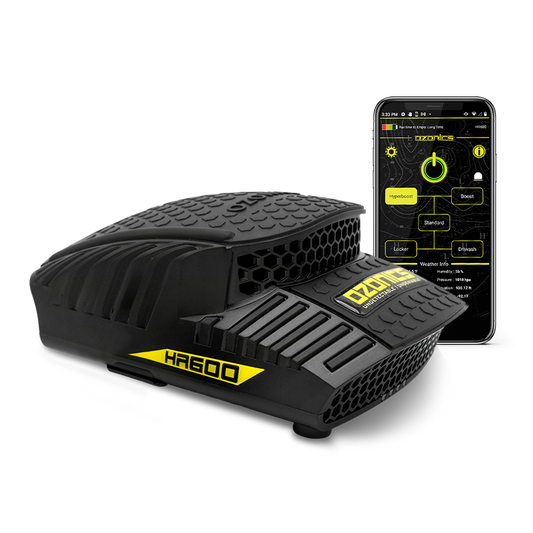
Check the wind when you arrive, after major weather changes and periodically during the sit. Pay attention to what happens beyond the first few feet. Notice whether the air is consistently carrying away from likely deer travel or drifting toward it. If you're using scent-control equipment, follow its current operating instructions and adjust placement only when you can do so safely and without unnecessary movement.
The biggest lesson from Nick and Buddy's evening wasn't that you can outsmart every swirl. It was that you need to know the swirl is happening before you can make a reasonable decision.
Frequently Asked Questions
Can thermals move scent against the forecast wind?
Yes. Local air currents can differ from the prevailing wind, especially in light or variable conditions.
How often should I check wind direction in a stand?
There is no fixed interval for every location. Nick described checking roughly every 30 minutes during changing conditions; more frequent checks can make sense when the wind becomes inconsistent.