This is one of the most common questions in hunting:
Do scent control sprays actually work?
The honest answer is yes — to a point.
That is where a lot of hunters get sideways on this subject. They want a yes-or-no answer to a problem that does not work that way in the real world. Scent control is not about one magic bottle, one shower, or one trick. It is about understanding how human odor works, how deer detect it, and which tools help you at different points in the hunt.
That starts with a distinction most hunters do not make clearly enough:
There is passive scent control, and there is active scent control.
They are not the same thing.
Passive Scent Control Helps, But It Starts Fading Immediately
Passive scent control includes sprays, deodorants, scent-free soaps, detergents, cover scents, treated clothing, carbon clothing, rubber boots, and gear-storage routines.
All of that has value.
Passive scent control can help reduce odor already sitting on your clothes, boots, skin, and gear. It can also help cut down on contamination from daily life — gas pumps, truck interiors, restaurants, household smells, and everything else you drag with you before the hunt even starts.
But passive scent control has a built-in limit:
it begins to degrade the moment you use it.
The instant you spray down, wash your clothes, or apply a product, time starts working against you. As the hunt goes on, that protection fades. Meanwhile, your body keeps doing what it always does — breathing, sweating, shedding skin cells, and producing fresh odor every second you are in the woods.
That means passive scent control can help prepare you for the hunt, but it does not keep attacking the live odor problem as the hunt unfolds.
The Real Problem Is Fresh Odor
This is where hunters fool themselves.
They get focused on whether they smelled clean at the truck, in camp, or when they climbed into the stand. But that is not the real test. The real test is what is leaving your body right now and drifting into the downwind airstream.
That is what the animal gets.
A deer is not smelling what you did an hour ago. It is smelling what reaches its nose in real time. And that odor stream is constantly being refreshed by your breath, your skin, your sweat, and your movement.
That is why sprays often help, but do not finish the job. They can reduce existing odor. They can lower contamination. They can buy you some help. But they are still passive. They do not continue attacking the fresh airborne odor leaving your body during the hunt.
Active Scent Control Works During the Hunt
That is where active scent control separates itself.
Active scent control is not about what was done before the hunt. It is about what is happening during the hunt.
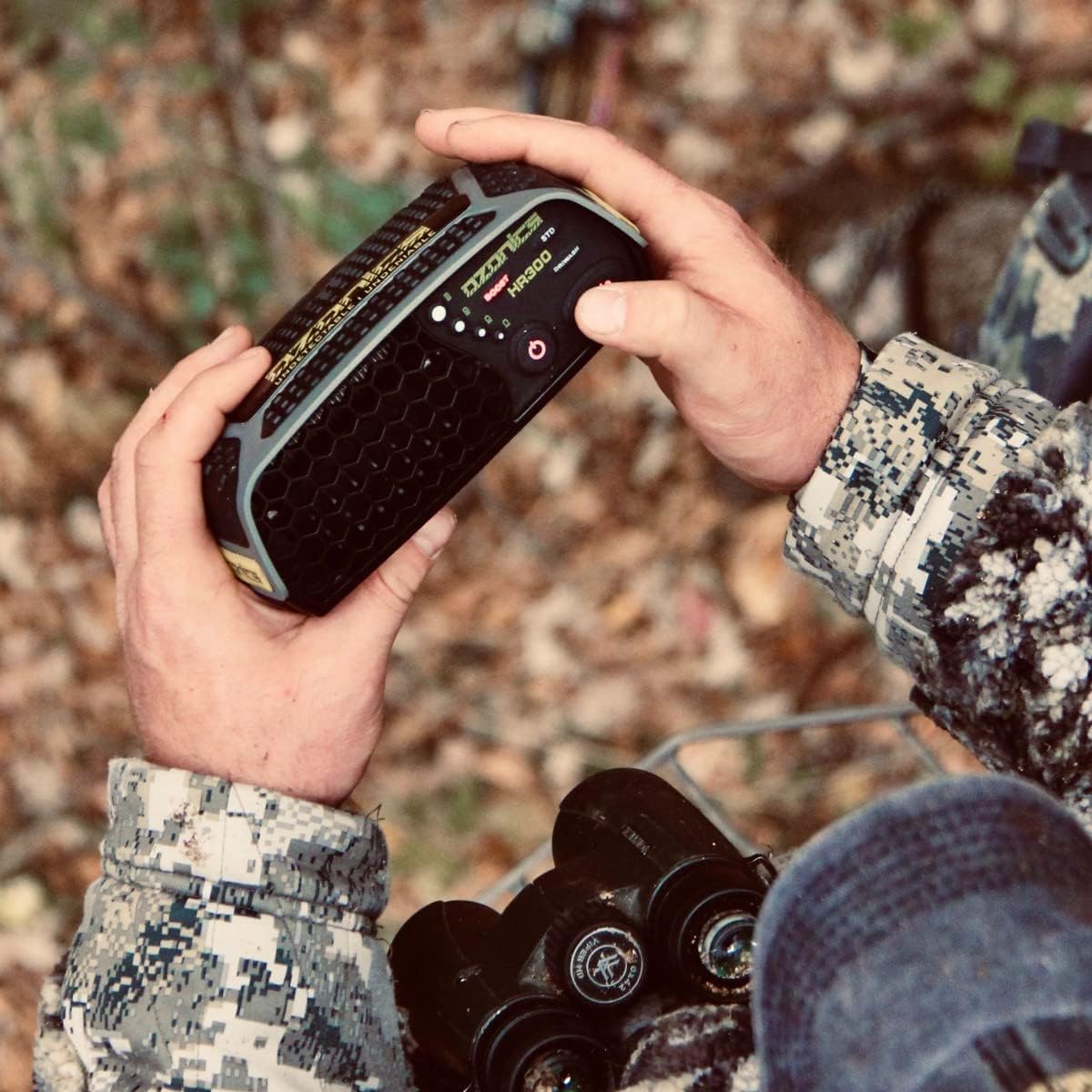
Passive scent-control strategies begin to lose effectiveness the moment they are applied. Active scent control does not work that way. As long as your unit has battery life, is producing ozone, and is functioning properly, it is still actively working on the odor stream leaving your body. In that sense, it does not fade with time the way passive methods do. It keeps working from the beginning of the hunt to the end of the hunt.
That is a major difference.
Passive scent control is preparation. Active scent control is real-time protection.
Why Ozonics Is Different
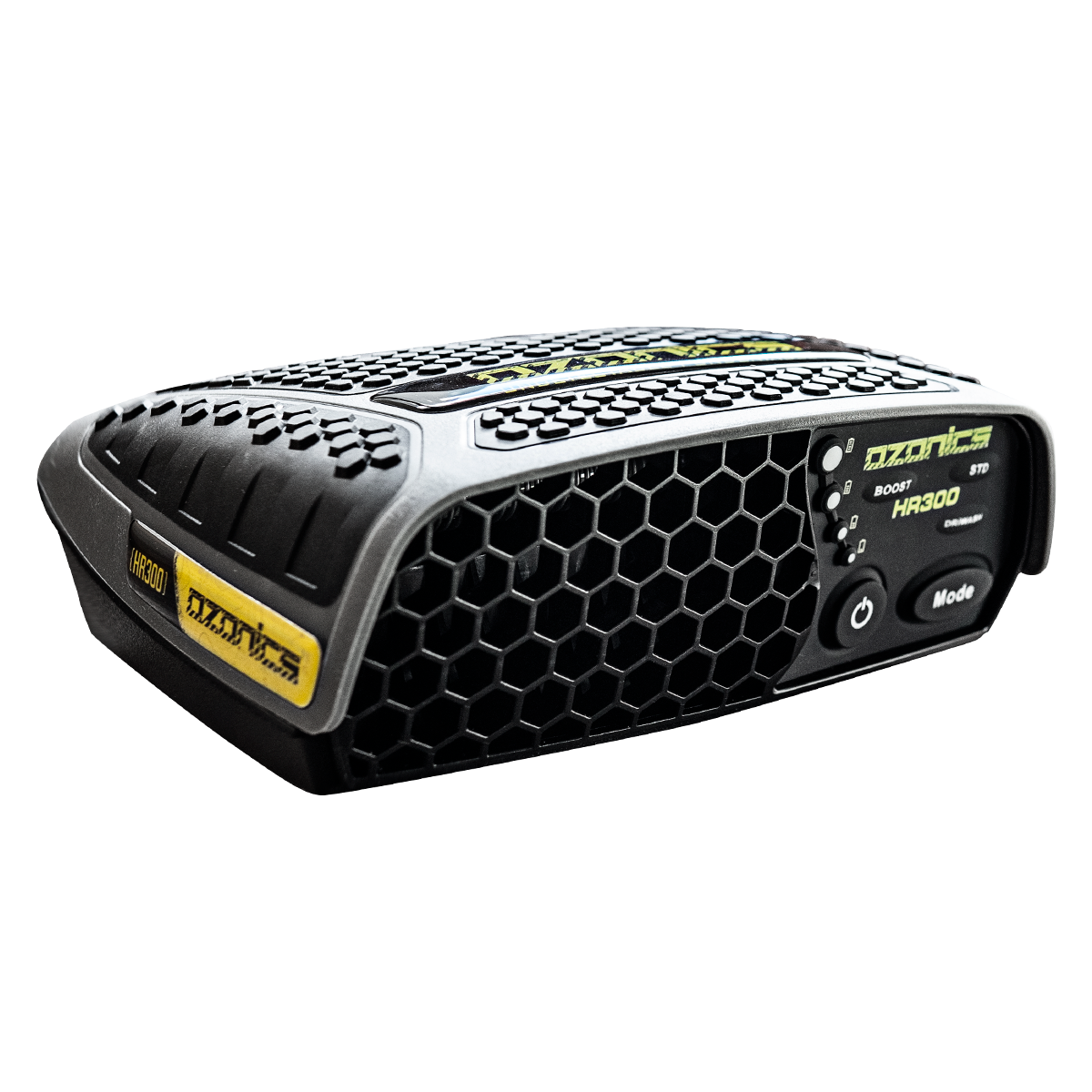
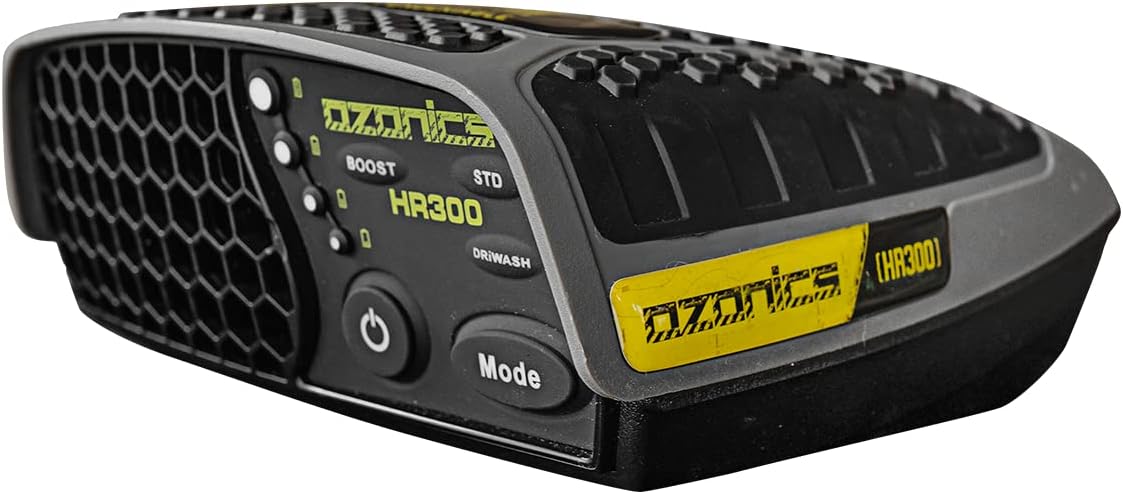
Ozonics is not built around masking odor or laying another smell over the top of it. It is built around attacking human odor in the place that matters most: the downwind airstream.
That is the real battleground.
When ozone meets the airborne odor leaving the hunter’s body, one of three things can happen depending on time, concentration, and conditions: the odor can be destroyed, reduced, or altered.
In some circumstances, odor molecules can be broken down completely. In many hunting situations, the odor stream is reduced. And in others, it is altered enough that what continues downwind is no longer the same human odor profile the animal expects to detect.
That is why Ozonics is not just another scent-control product. It is a different category.
It is active scent control.
So, Do Scent Control Sprays Actually Work?
Yes.
But only if you understand what they can and cannot do.
They are useful tools. They help reduce contamination and lower existing odor on surfaces. They can absolutely be part of a disciplined scent-control system.
They are just not the whole system.
If all you use is passive scent control, then you are relying on what you did before the hunt to hold up during the hunt. That is the weak link.
If you add active scent control, you are now attacking the odor problem where it actually lives: in the air moving away from your body toward the animal’s nose.
That is a stronger system. And in the world of mature whitetails, stronger systems matter.
The Best Scent Control System Uses Both
The smart answer is not passive or active.
It is passive plus active.
Use scent-free soaps. Use sprays. Wash your clothes right. Store your gear right. Hunt the wind. Access clean. Do all of it.
But understand what each tool is for.
Passive scent control helps reduce contamination and prepare you for the hunt.
Active scent control keeps working once the hunt begins.
And if I had to choose only one scent-control product, I would choose the one that is active and keeps attacking my odor in the downwind airstream for the entire hunt. Not the one that fades over time. Not the one that only helps before I leave the truck. I want the one that keeps working while I am breathing, sweating, moving, and putting fresh odor into the air. That is Ozonics. Because the real fight is not on my skin or in my backpack. The real fight is in the air, moving away from me toward the animal’s nose.