Every serious deer hunter eventually learns the same lesson: you can do almost everything right and still get beat by a whitetail’s nose.
You can wash your clothes. You can spray down. You can store your gear the right way. You can make a clean entry, pick the right stand, and play the wind as carefully as possible.
All of that matters.
But none of it changes one basic fact: your body never stops producing odor.
That is the real scent-control problem. Human odor is not one simple smell. It is a constantly changing mix of compounds coming from your skin, breath, sweat, hair, clothing, boots, gear, and the bacteria that live on and around all of it. Once you climb into the stand, that odor does not stop. It keeps building, moving, and traveling with the air.
That is where ozone becomes different.
Ozone scent control is not just another spray, detergent, or cover scent. Those products can help reduce odor before the hunt, and they still have a place in a disciplined scent-control system. But ozone works differently because it treats odor at the molecular level while the hunt is happening.
Used correctly, ozone is a game changer.
The Science Behind Ozone
Ozone is a highly reactive form of oxygen.
Normal oxygen is O₂. Ozone is O₃. That third oxygen atom makes ozone unstable and reactive, which is exactly why it matters for scent control. When ozone contacts certain odor-causing compounds, it can oxidize them. In plain terms, oxidation can change the chemical structure of those compounds.
That is the key.
A deer is not simply smelling “something.” It is reading a chemical signal. Human odor tells a deer that danger may be nearby. If that odor signal is reduced, altered, or broken down before it reaches the animal in its original form, the animal may receive a message but it will not receive the same warning message.
That is why ozone can be so powerful in the field.
It does not try to cover human odor with another smell. It attacks the odor stream itself.
The Three Things Ozone Can Do
When ozone is used properly in a hunting setup, there are three outcomes that matter.
First, ozone can reduce odor.
In this scenario, the animal may still detect something, but it does not receive the full strength of the human odor signature. That can make the odor seem weaker, older, or farther away than it really is. A deer may know something is there, but it will not react the same way it would if it hit untreated human odor.
Second, ozone can alter odor.
This is where the chemistry becomes especially important. If ozone changes enough of the odor compounds through oxidation, the scent may not register as a clean human-danger signal. The animal may smell something, but it will not identify it in the same way it would identify untreated human odor.
Third, ozone can effectively eliminate enough of the recognizable odor signature to change the outcome.
That depends on time, concentration, airflow, distance, and setup. In other words, ozone performance is tied to exposure. The right amount of ozone has to contact the right part of the scent stream long enough to treat the odor compounds animals are trying to detect.
In plain hunter language, it comes down to the right dose for the scenario.
Can Ozone Help You Beat a Deer’s Nose?
Yes.
That is the honest answer.
Hunters who have used Ozonics for years have seen it happen. Deer get downwind. Hogs get downwind. They hit the scent stream. Sometimes they pause. Sometimes they test the air. Sometimes they know something is different, but they do not blow out, stomp, snort, or leave the way they normally would when they hit untreated human odor.
That is not theory to serious users. That is field experience.
But the best results come when ozone is paired with woodsmanship, discipline, and common hunting sense. Smart stand placement still matters. Entry and exit routes still matter. Wind and thermals still matter. Ozonics does not replace those things. It makes them stronger.
That is why ozone is such a powerful tool. It gives the hunter active scent treatment while the scent problem is being created.
Sprays help before the hunt.
Detergents help before the hunt.
Storage systems help before the hunt.
Ozonics works during the hunt.
Why Ozonics Is Different
Ozonics was built around a simple truth: scent is the most difficult variable in hunting, and serious hunters need more than pre-hunt preparation.
They need a tool that works in the field.
The science matters, but application matters just as much. It is not enough to simply create ozone. Ozone has to be delivered into the scent stream in the right way, at the right concentration, for the right conditions.
That is what makes a hunting-specific ozone system different.
Ozonics is designed for hunters dealing with real-world scent problems: shifting winds, swirling thermals, long sits, downwind deer, circling hogs, and mature animals that trust their nose before anything else.
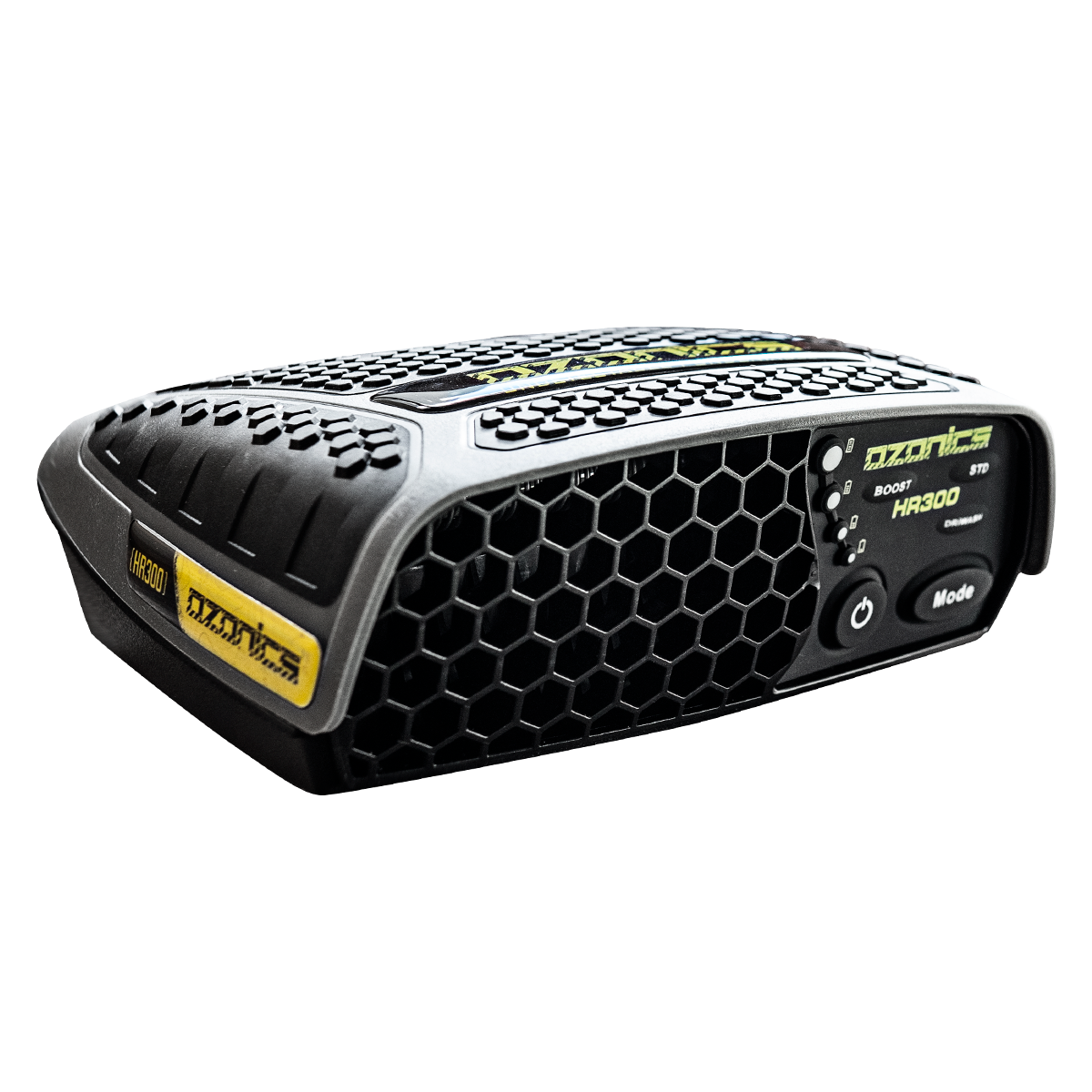
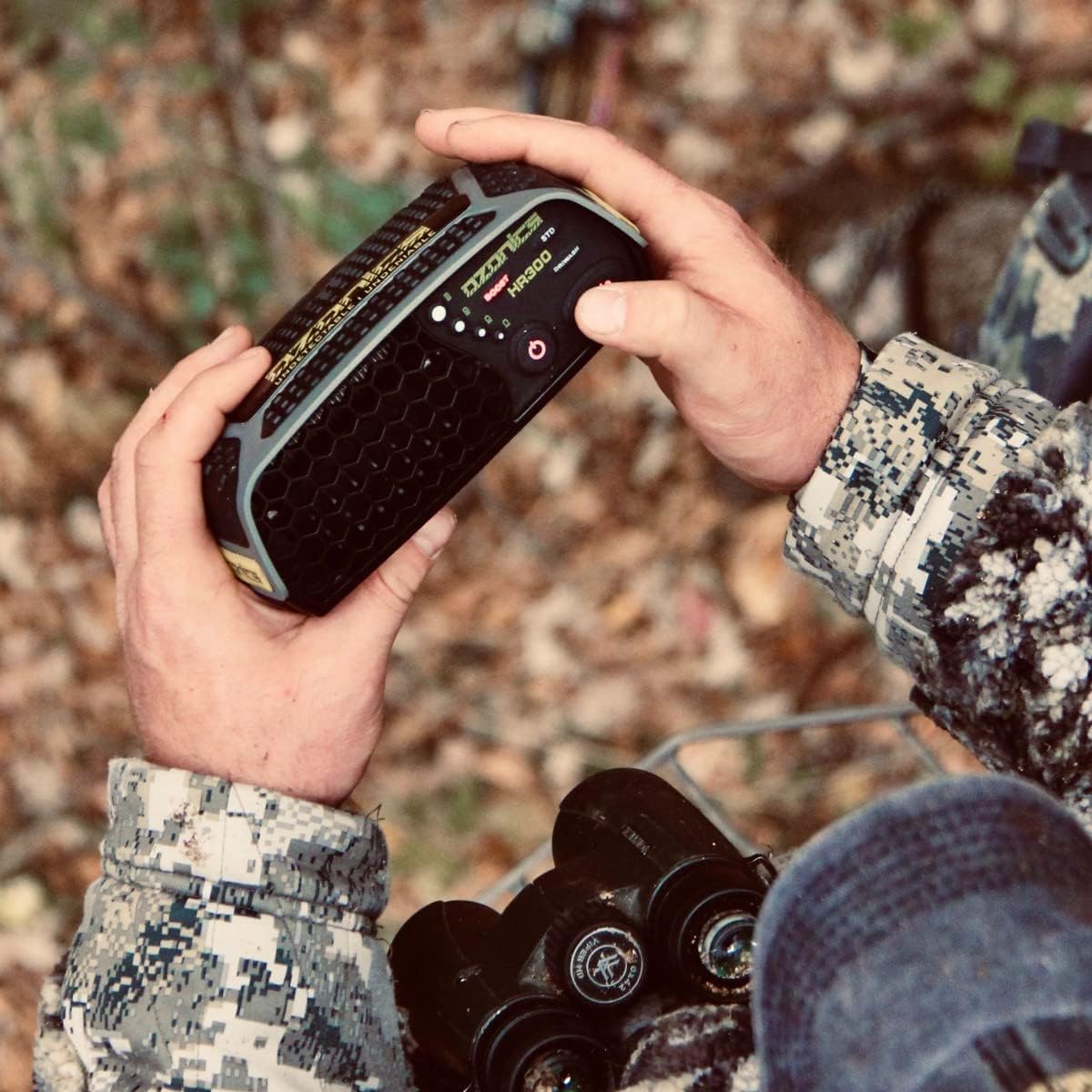
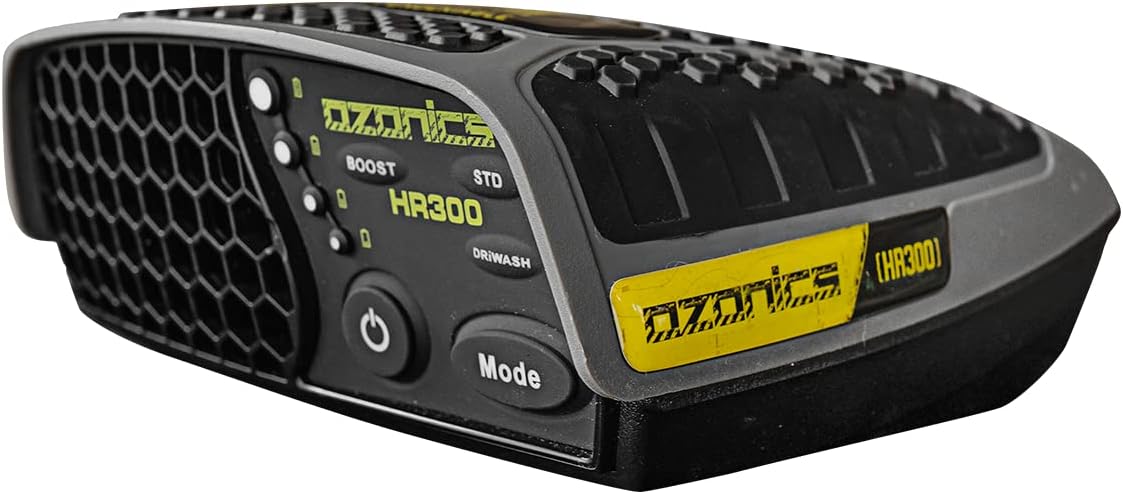
When used correctly, and when paired with disciplined hunting practices, Ozonics is the most powerful scent-control tool a hunter can bring into the field because it does something traditional products cannot do: it actively treats human odor while the hunt is happening.
That is the advantage.
The Bottom Line
So, does ozone scent control really work?
Yes.
Ozone can reduce odor. It can alter odor. And under the right time, concentration, airflow, and exposure conditions, it can effectively eliminate enough of the recognizable human odor signature that an animal may never receive the full danger message.
That is why Ozonics matters.
It gives hunters a real-time tool against the most powerful defense mechanism in the woods: an animal’s nose.
If you are serious about scent control, do not rely on hope and pre-hunt preparation alone. Build a complete scent-control system, hunt smart, and add the one tool designed to work while the hunt is actually happening.
Add Ozonics to your setup and give yourself the advantage when the wind shifts, the deer circles, and the hunt comes down to scent.