Wind direction is one of the most important—and misunderstood—factors in deer movement. Whitetail deer rely heavily on their sense of smell to survive, and they instinctively use the wind to their advantage. Most of the time, deer prefer to travel into or across the wind, allowing them to detect danger ahead while also monitoring what’s behind them. This constant use of wind gives them a near 360-degree awareness of their surroundings.
Because of this, wind direction directly influences where and how deer move throughout the day. Bucks, especially mature ones, will often position themselves so the wind covers their blind spots—moving along edges, ridges, and transition zones where they can scent-check bedding areas or food sources. If the wind isn’t favorable, they may delay movement altogether or shift their travel routes, which is why a spot that was hot yesterday can suddenly go cold overnight.
It’s not just about direction—it’s also about how wind behaves in real terrain. Swirling winds, changes in elevation, and thermals (rising morning air and falling evening air) can carry scent in unpredictable ways. Even on a day with a “steady” wind, your scent may drift, drop, or swirl into areas you didn’t expect. That’s often when hunters get busted by deer they never saw coming.
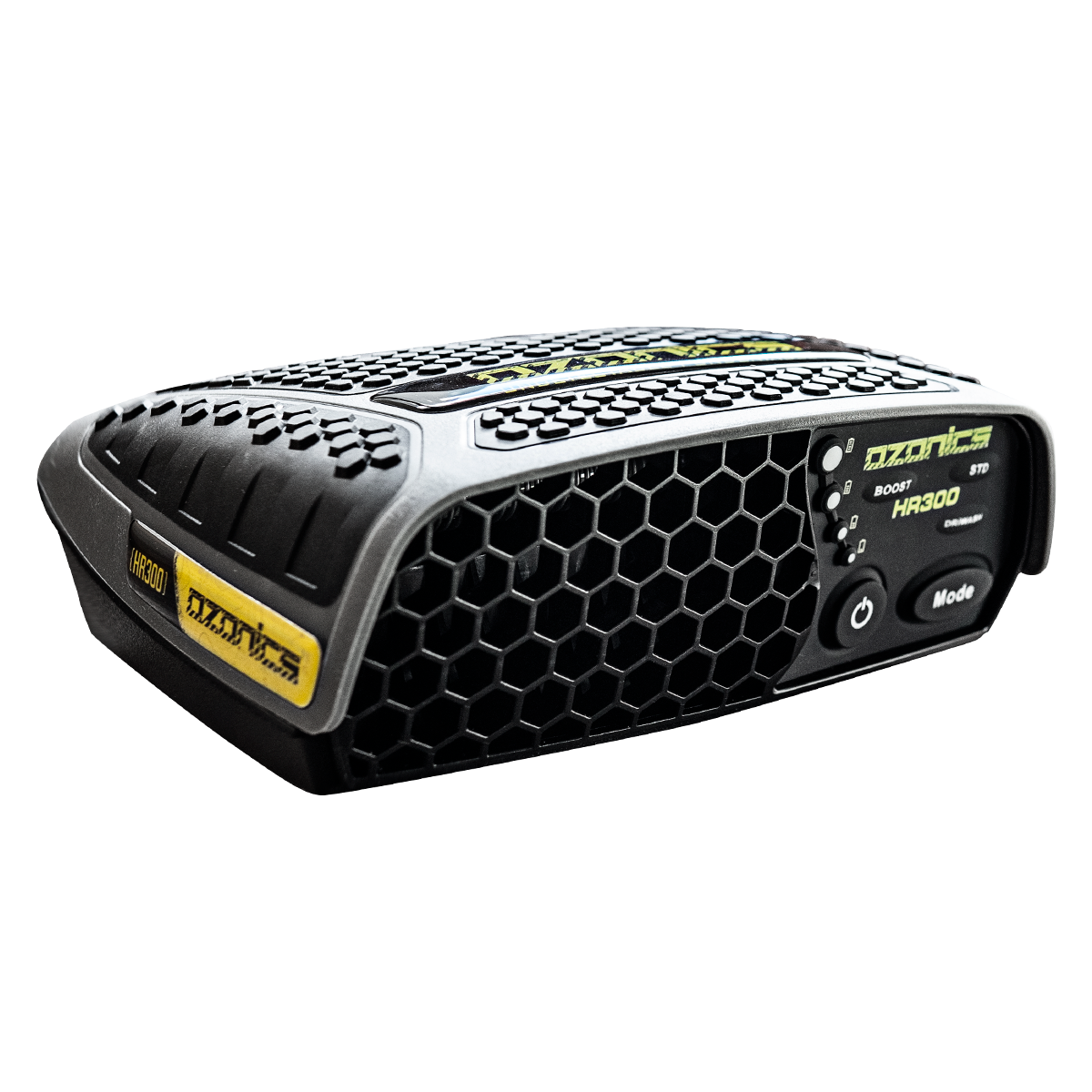
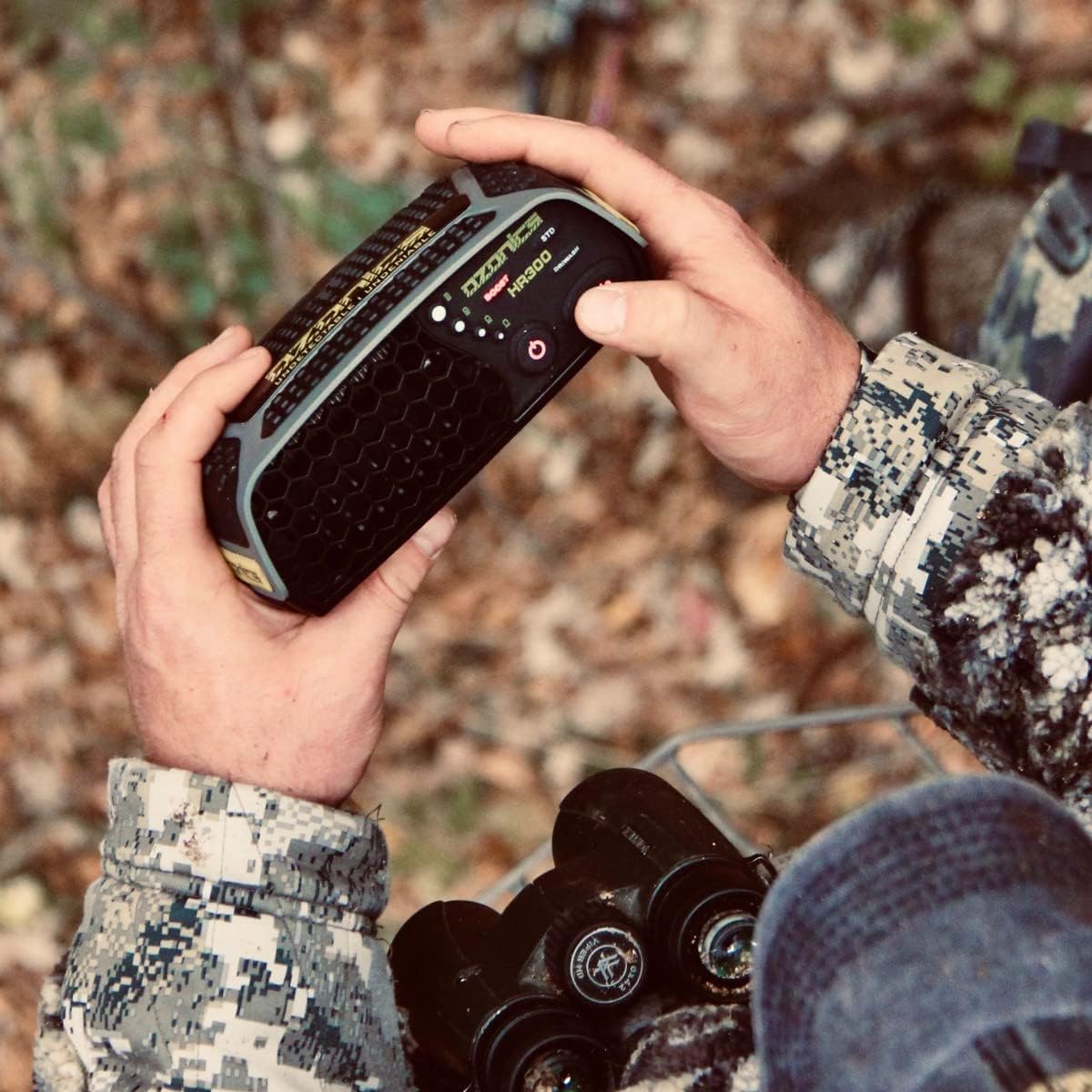
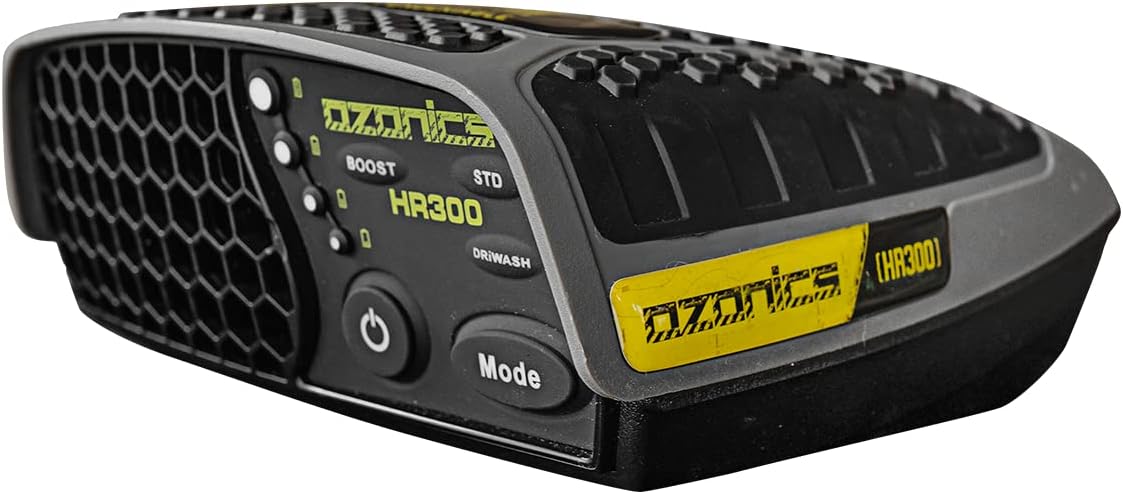
Understanding wind is critical—but controlling it is what changes the game. You can try to set up perfectly for the wind, but it’s never truly consistent. That’s where Ozonics gives hunters an edge. By using ozone to actively destroy human odor as it’s produced, it helps reduce the impact of shifting winds and unpredictable thermals—allowing you to hunt more setups, more confidently, and stay in the stand when conditions aren’t perfect.