If you’ve ever been winded by a deer before you even saw it, you already know the truth—a whitetail’s nose is its greatest defense. But just how far can a deer actually smell a human? The answer isn’t as simple as a number—but under the right conditions, it’s farther than most hunters think.
There’s No Exact Distance—But It Can Be Hundreds of Yards
Unlike sight or sound, scent doesn’t travel in a fixed range. Instead, it moves with wind, thermals, and terrain. Under ideal conditions—steady wind, high humidity, and open terrain—a deer can detect human scent from hundreds of yards away, sometimes even farther.
Why? Because human odor is constantly being released into the air in the form of skin cells, bacteria, and gases. These particles don’t just disappear—they travel, settle, and linger depending on the environment.
A Deer’s Nose Is Built for Detection
Whitetails aren’t just “good” at smelling—they’re built for it. A deer has up to 297 million olfactory receptors, compared to about 5 million in humans. Even more impressive, the portion of a deer’s brain dedicated to processing scent is significantly larger than ours.
This allows deer to not only detect human odor at long distances, but also analyze it—identifying danger, direction, and even how recently you were in the area.
Wind Direction Matters More Than Distance
If you take one thing away, let it be this: distance doesn’t bust you—wind does. A deer 300 yards downwind is far more likely to smell you than one 50 yards upwind.
Scent travels in a cone-shaped plume, carried by the wind. If a deer crosses that stream at any point—even far from your stand—it can pick you off instantly. That’s why hunters who ignore wind direction often feel like deer are “avoiding” them altogether.
Conditions That Make You More Detectable
Certain conditions can extend how far your scent travels and how easily deer can detect it:
- High humidity – scent particles hold moisture and linger longer
- Cool, stable air – allows scent to travel smoothly and consistently
- Thermals (rising/falling air) – can carry scent unpredictably uphill or downhill
- Dense cover – holds scent in one area rather than dispersing it
In these situations, your scent isn’t just traveling—it’s sticking around, increasing your chances of being detected.
Why Traditional Scent Control Falls Short
Scent sprays, soaps, and clothing systems can help reduce odor—but they don’t eliminate it. You’re still producing scent every second you’re in the woods. That means even the best “cover-up” methods eventually fail, especially when a deer gets downwind.
Where Ozonics Gives You the Edge
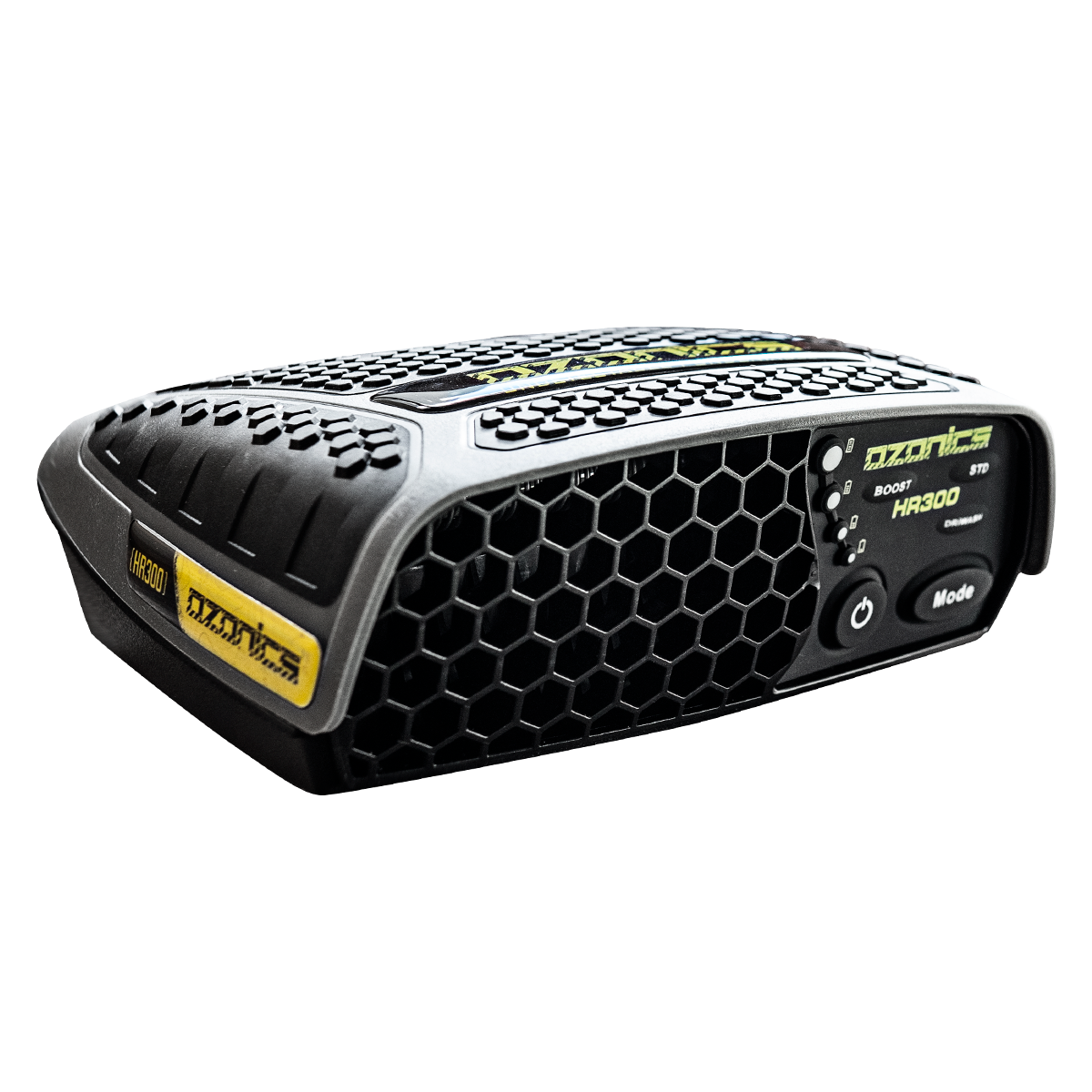
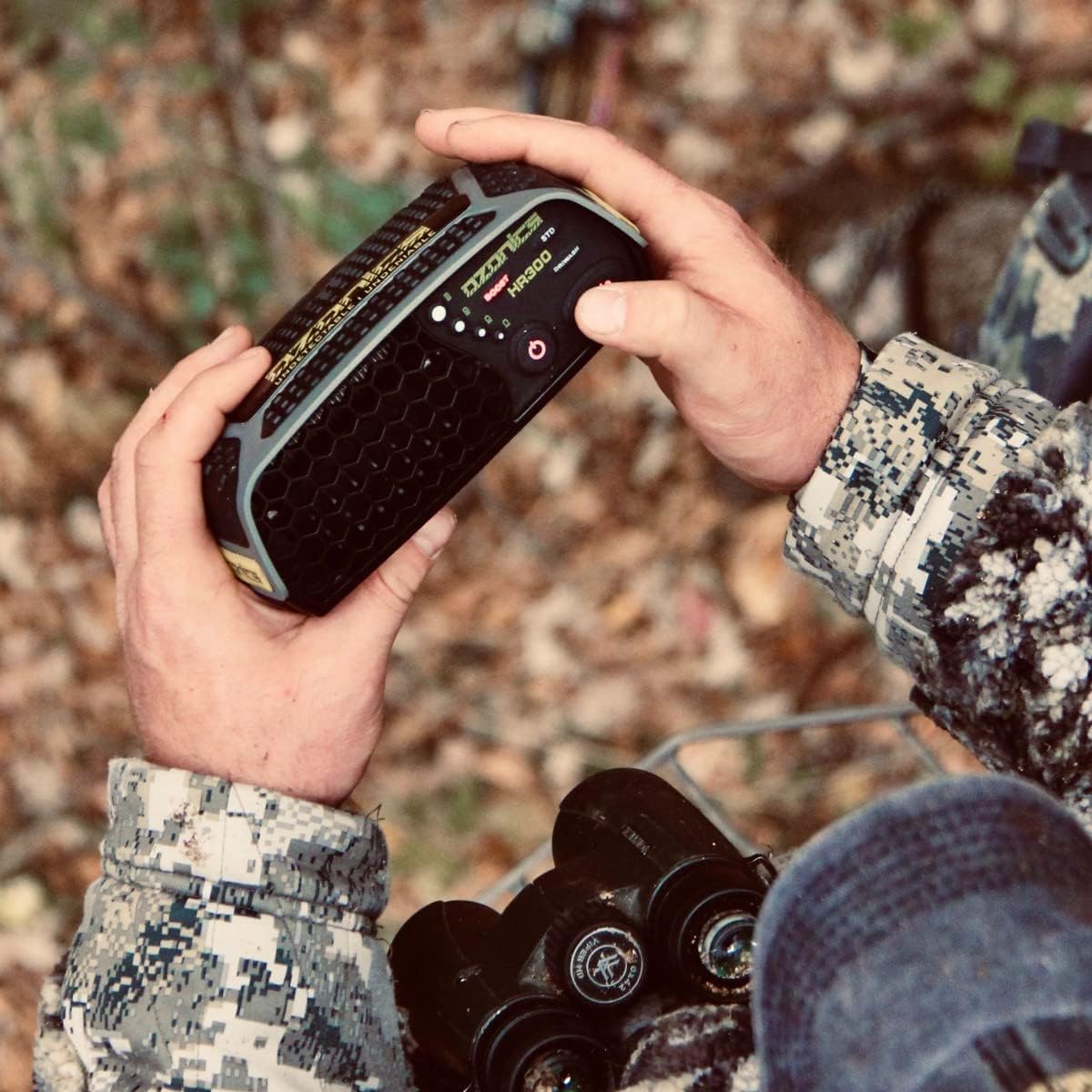
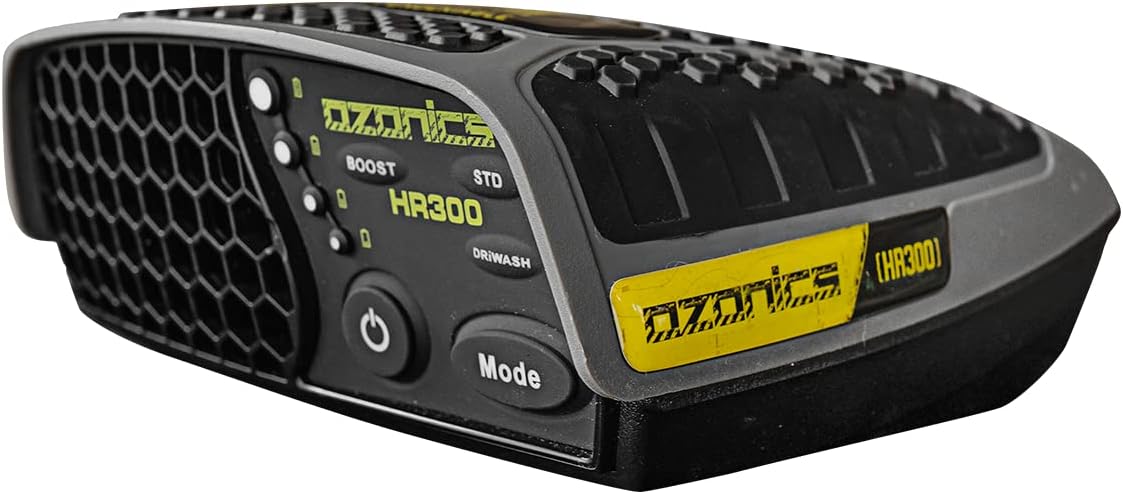
This is where Ozonics changes the game. Instead of masking scent, Ozonics units generate ozone (O₃), which actively destroys human odor molecules before they reach a deer’s nose.
Ozone works by oxidizing scent compounds, breaking them down at the molecular level. This neutralizes your scent stream even as it moves with the wind.
So while you still need to respect wind direction, Ozonics helps ensure that if a deer does cross your scent path, there’s far less there to detect.
Final Thought
So, how far can a deer smell a human? Far enough to ruin your hunt if you’re not using Ozonics.