For whitetail hunters, few things matter more than scent control. At the center of that conversation is human odor—the combination of scents naturally produced by the human body and those we pick up from the environment. Human odor is created through sweat, bacteria on the skin, breath, and microscopic particles constantly shed from our bodies known as skin rafts. According to wildlife scent research, humans shed thousands of skin cells every minute, and each of those particles carries bacteria and scent that can be detected by animals with sensitive noses (DeYoung & Miller, Wildlife Management, 2011). When hunters move through the woods, these odor particles disperse on clothing, vegetation, and in the air, leaving a trail that deer can easily follow.
Whitetail deer are particularly equipped to detect these scent molecules. A deer’s nose contains hundreds of millions of olfactory receptors, compared to roughly five to six million in humans (Pennsylvania Game Commission; Whitetail Institute). This incredible sense of smell allows deer to identify predators, locate food sources, and detect danger long before it becomes visible. When a hunter enters the woods, their scent doesn’t just remain on their body—it travels downwind, settles onto surfaces, and lingers in the environment. To a whitetail, human odor is one of the most recognizable indicators of potential danger.
Human odor is not a single smell but rather a complex mixture of volatile organic compounds (VOCs) produced by the body. These compounds come from sweat glands, bacteria breaking down proteins on the skin, and everyday environmental exposure such as laundry detergents, vehicles, fuel, and food. Research from the National Institutes of Health notes that human scent signatures are unique combinations of these compounds, creating a detectable odor profile (NIH, National Library of Medicine). For deer, these odor molecules signal the presence of a foreign predator within their environment.
Because of this, controlling or reducing human odor is one of the most important strategies a hunter can employ. Traditional methods include scent-free soaps, careful clothing storage, and playing the wind. However, even the most cautious hunter continues to produce scent simply by breathing and moving. Technologies designed to reduce airborne odor molecules—such as ozone-based systems—work by altering the scent molecules before they travel downwind. When used correctly in conjunction with wind awareness and smart entry routes, hunters can significantly reduce the chances of a deer detecting their presence.
Understanding human odor is ultimately about understanding the whitetail’s greatest defense: its nose. Hunters spend countless hours scouting sign, studying movement patterns, and setting stands in the right locations. But if human scent reaches a deer before the hunter ever sees it, the opportunity can disappear instantly.
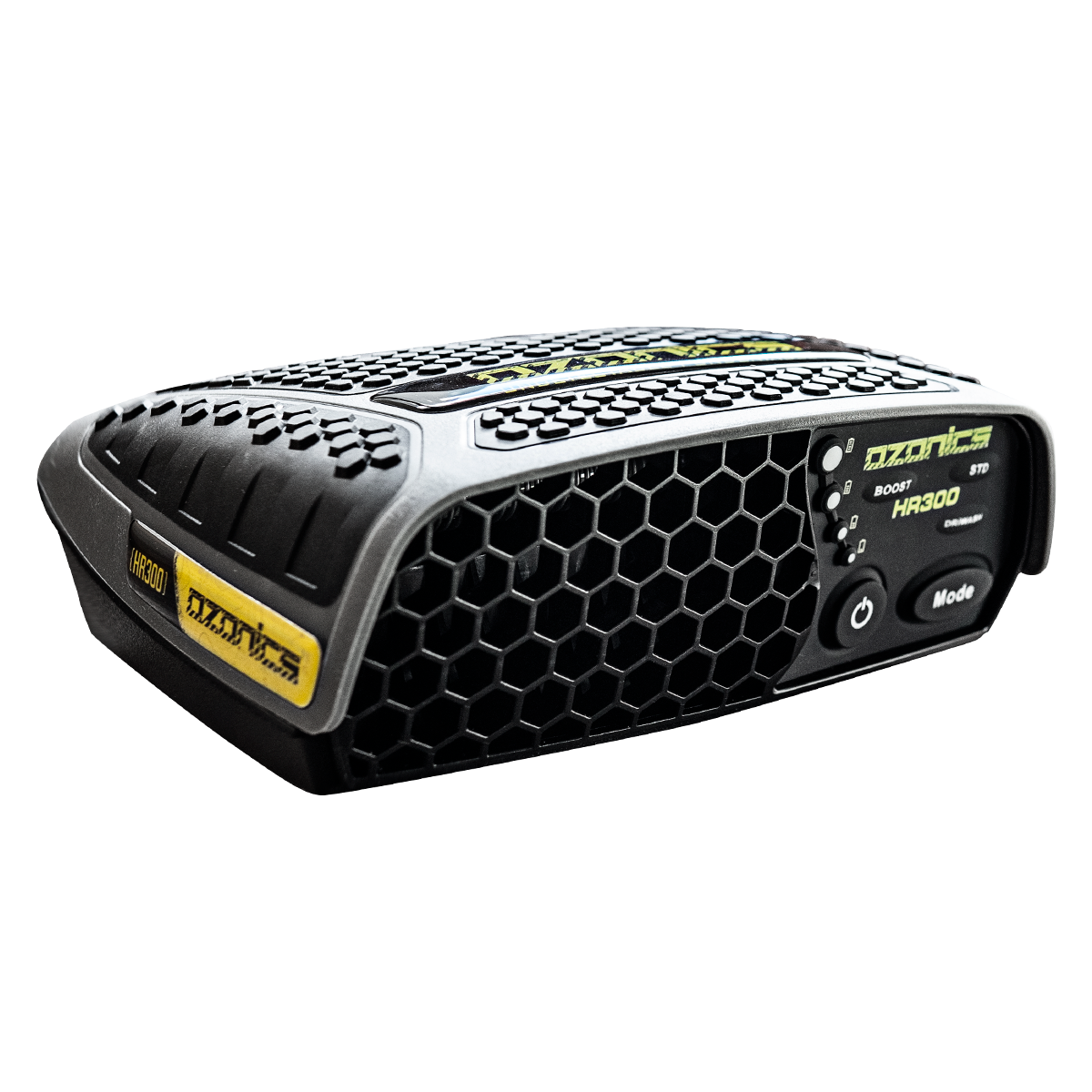
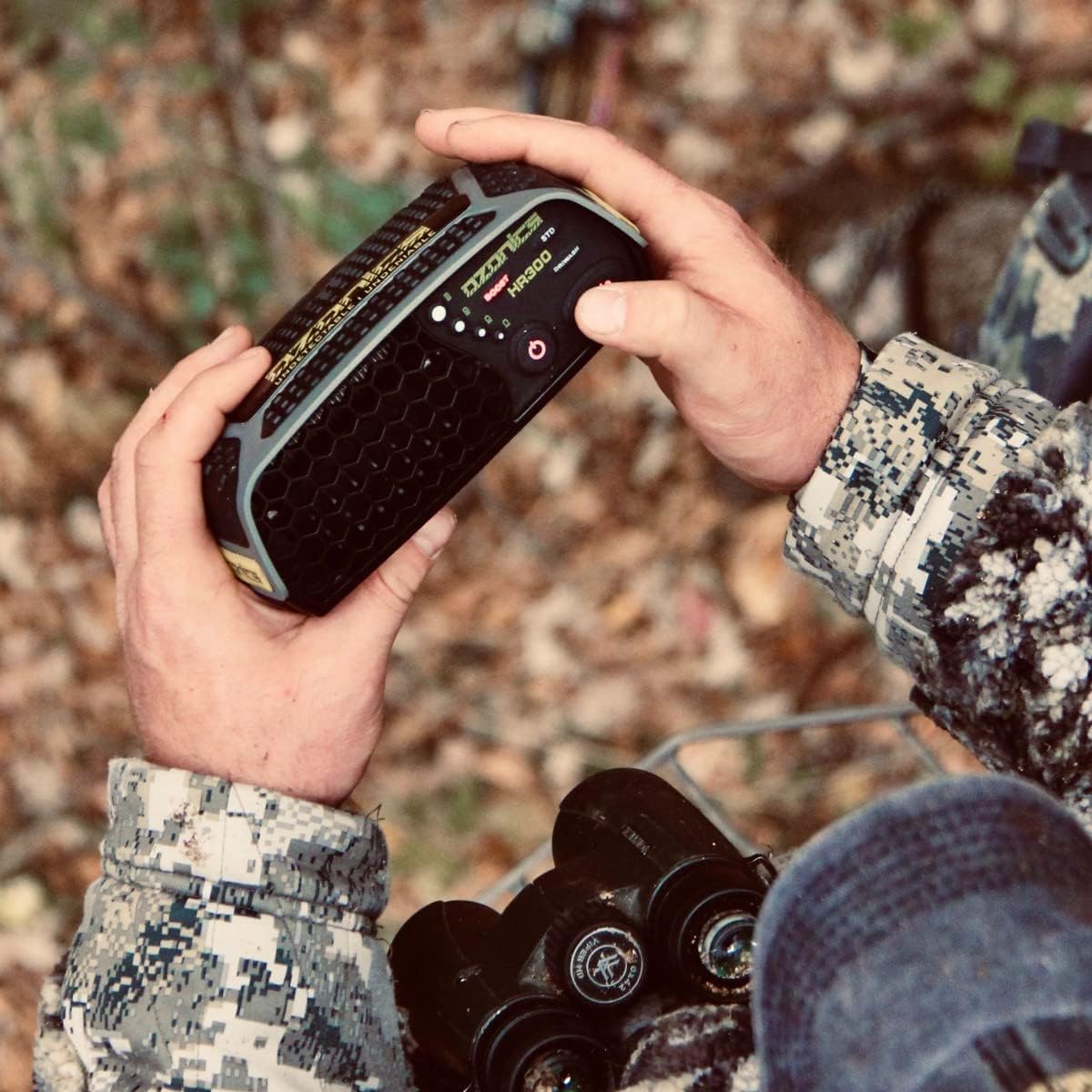
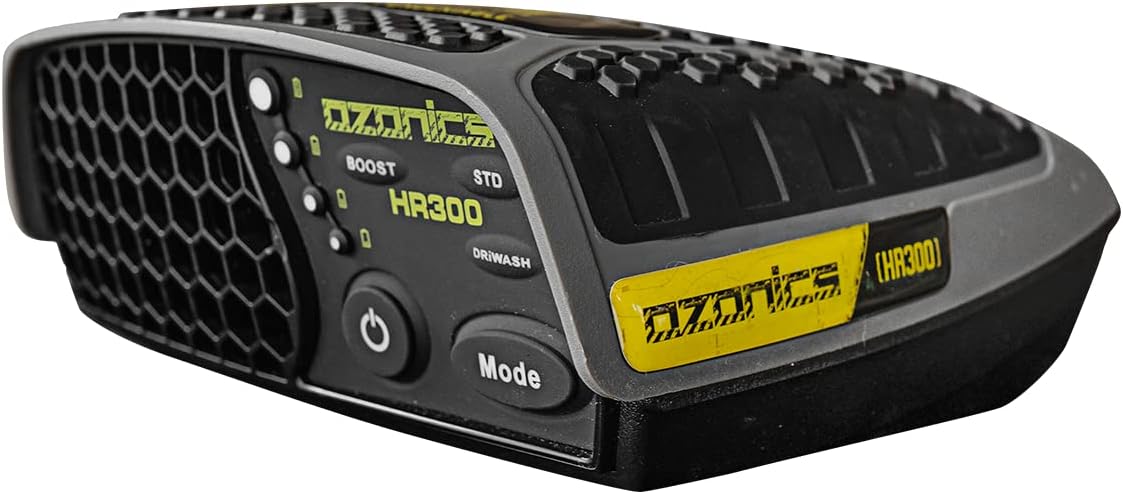
That’s where Ozonics comes in. Unlike most scent control products, Ozonics is backed by undeniable science. As it electronically changes ordinary oxygen into ozone, it chemically alters your human odors to leave you undetectable. Given the right concentration of ozone and the right amount of time, your scent will always be destroyed. Ozonics uses scientifically proven technology to deliver the right oxidant concentration to bond to your scent molecules and reduce, alter and eliminate your odor. It's the science of purification brought to your hunt.
Sources
DeYoung, R., & Miller, K. (2011). Quality Deer Management: Science and Practice.
Pennsylvania Game Commission – Deer Biology and Senses.
National Library of Medicine (NIH). “Human Body Odor and Volatile Organic Compounds.”
Whitetail Institute. “How Deer Use Their Sense of Smell.”