Shed hunting is one of the most valuable late-season activities for hunters and land managers alike. Beyond finding antlers, shed hunting provides insight into buck survival, herd health, and winter stress. In recent years, however, many hunters have noticed bucks shedding antlers much earlier than historical norms. This shift isn’t random—it’s driven by stress, nutrition, and changing winter conditions.
What Triggers Whitetail Antler Shedding?
Antler shedding is controlled by testosterone levels. After the rut, testosterone naturally declines, weakening the pedicle that holds the antler in place. Once that connection deteriorates, antlers fall off. In healthy conditions, most whitetail bucks shed between late January and early March. When stress increases, that hormonal drop accelerates—causing earlier antler loss.
Why Bucks Are Shedding Earlier Than in Years Past
The most common cause of early antler shedding is stress. Harsh winter weather, deep snow, ice, and cold temperatures increase a deer’s daily energy demands. If quality late-season food is scarce, bucks burn through fat reserves quickly. When survival becomes the priority, the body sheds antlers early to conserve energy.
The rut compounds this issue. Mature bucks can lose up to 30% of their body weight during breeding season. If winter conditions hit hard immediately after the rut, bucks often lack time to recover, resulting in antlers dropping weeks earlier than normal.
Changing Winter Patterns and Habitat Pressure
Modern winters have become increasingly unpredictable. Sudden cold snaps, extended snow cover, and rapid temperature swings prevent deer from gradually adjusting to seasonal stress. Add habitat loss, hunting pressure, and herd competition, and bucks are pushed into energy deficits sooner—leading to early sheds across entire regions.
What Early Antler Drop Means for Shed Hunters
Earlier shedding means hunters must adjust their shed hunting strategy. Getting into the woods earlier can improve success, but minimizing pressure on wintering deer is critical. Walking bedding areas repeatedly or pushing deer unnecessarily can increase stress and negatively impact survival.
This is where scent control matters—even after the season ends.
Late-Season Scent Control Still Matters
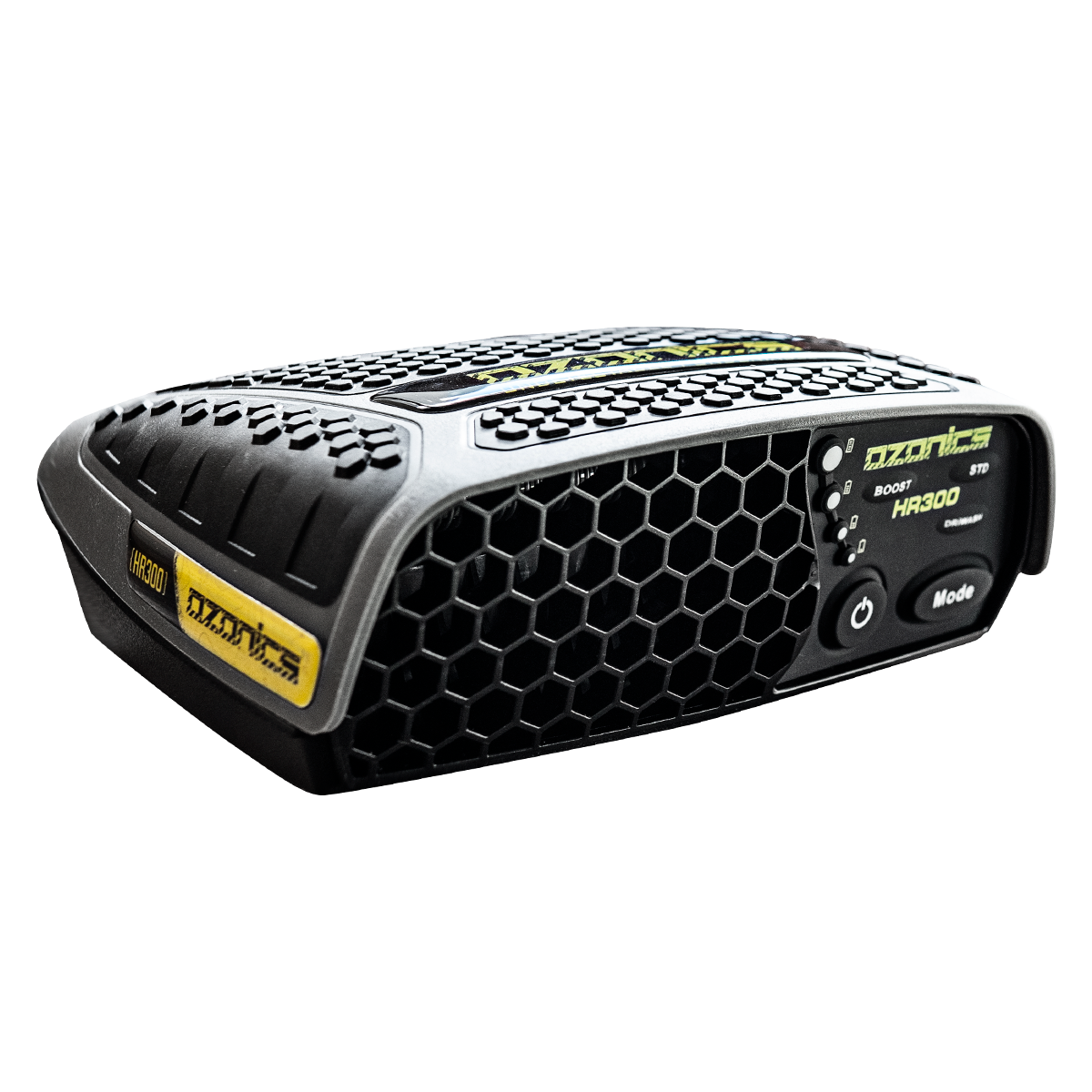
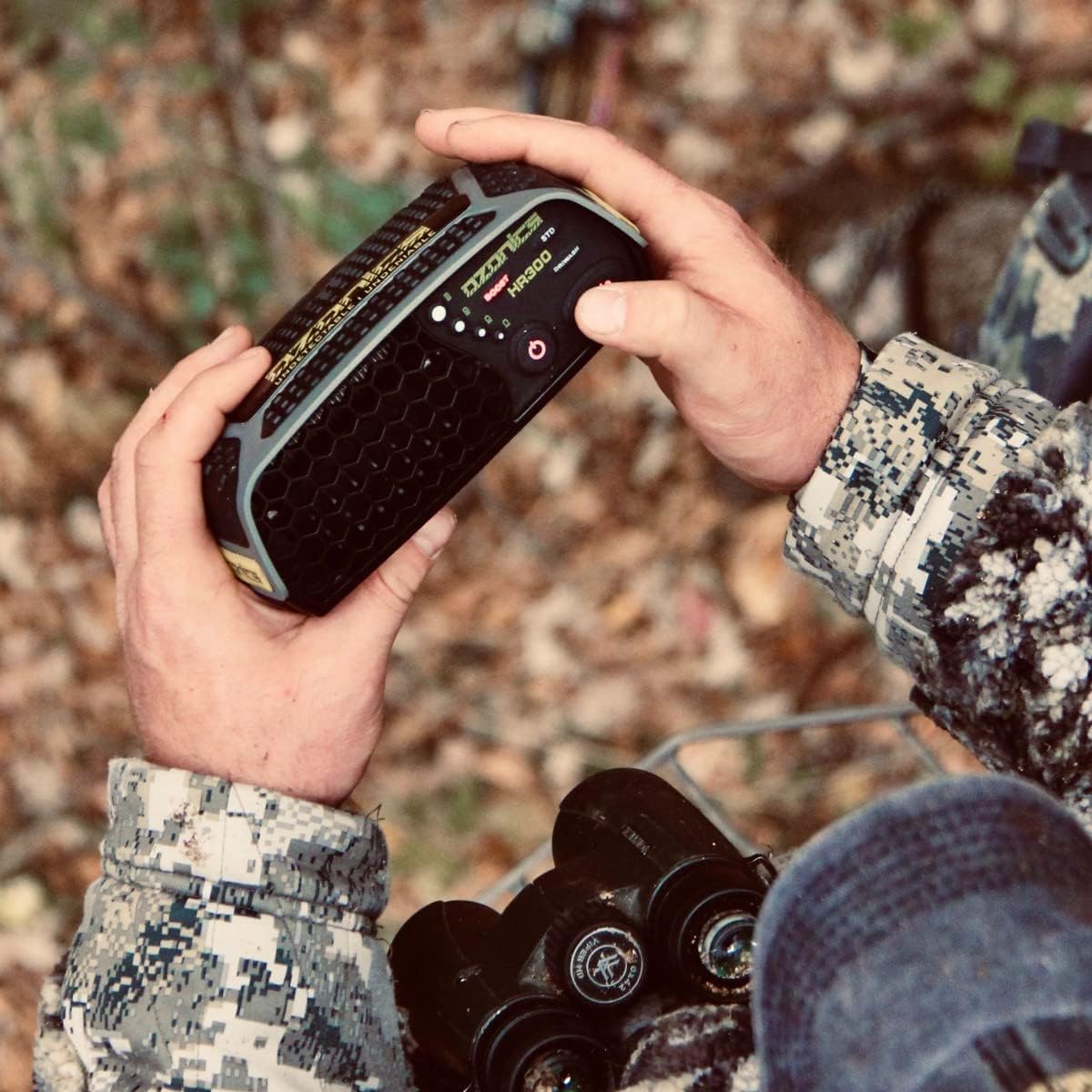
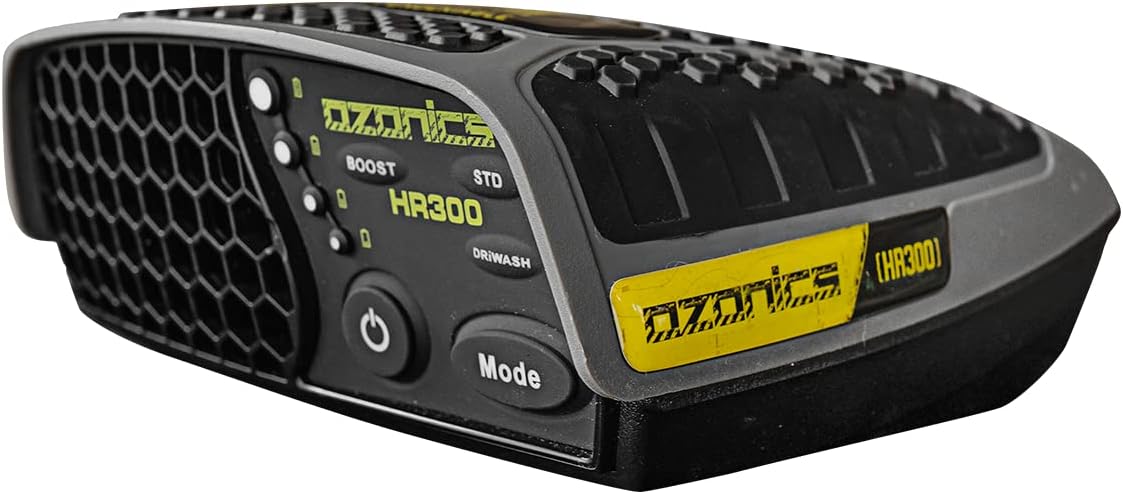
Whitetail deer rely heavily on their sense of smell year-round, especially during winter when survival is on the line. Using products like Ozonics will eliminate human odor while scouting, shed hunting, or checking trail cameras. Lowering your scent footprint means less disturbance, allowing deer to conserve energy and remain in secure areas during the toughest months of the year.
Shed Hunting as a Deer Management Tool
Shed hunting provides valuable data: buck survival rates, antler growth trends, and winter stress levels. If most bucks on your property are shedding significantly earlier than average, it may signal nutritional deficiencies, overpopulation, or habitat improvements that need to be addressed. Supporting deer through winter with quality habitat, responsible herd management, and low-impact scouting helps set the stage for healthier bucks and stronger antler growth next season.