Hunt the Way You Hunt
Should using Ozonics change the way you choose stands? Our message during the October 12 podcast was simple: hunt the way you hunt. Keep making careful decisions about wind, access, bedding areas, and travel routes. Then incorporate Ozonics into that established approach.
The Problem With Perfect-Wind Thinking
Even when you select a stand for a favorable wind, deer may approach from an unexpected direction. A buck might circle downwind of a doe, the prevailing wind might shift, or thermals might alter airflow near sunset. Careful planning remains essential, but perfect conditions are difficult to guarantee.
What Ozonics Is Intended to Do
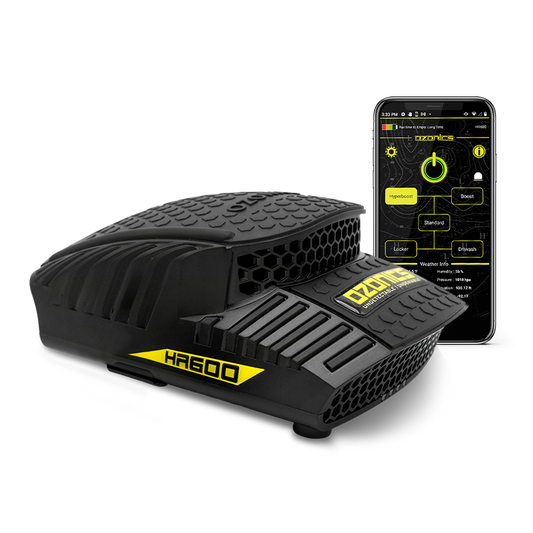
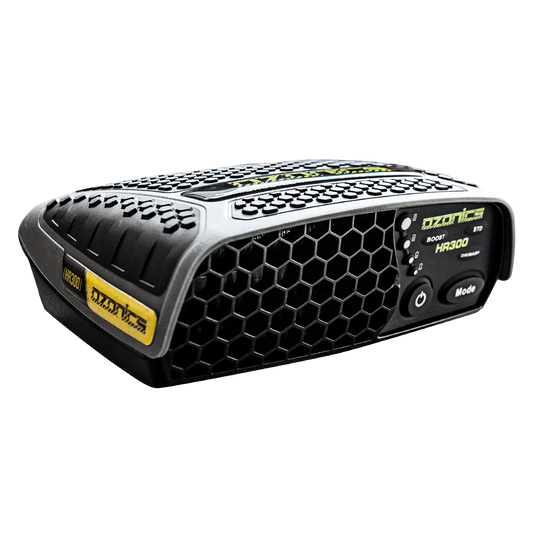
Ozonics field systems generate ozone and release it into surrounding air. Ozone can react with certain odor-causing compounds under suitable conditions. The system is intended to help reduce human odor traveling downwind. Actual results depend on airflow, exposure, environmental conditions, and the compounds present. It is an additional scent-management tool, not a guarantee that deer cannot detect a hunter.
Positioning Your Unit
The guidance repeated during the episode was to position the unit so it exhausts ozone-rich air toward the downwind side of the setup. Pay attention to actual airflow rather than relying entirely on the forecast. If conditions change, reassess the unit's orientation. Always follow the operating and safety instructions for your specific model.
What If the Wind Switches?
A wind switch is exactly where the stay-or-go decision becomes important. Ozonics gives you another tool to consider, but it doesn't remove the need for judgment. If airflow is moving into sensitive bedding cover, consider the consequences. If leaving would disturb deer, weigh that risk as well. The equipment doesn't replace the decision-making process.
It Is Not 100 Percent
We were explicit in the conversation: Ozonics is not a 100-percent guarantee. We've experienced encounters where deer appeared more tolerant of downwind conditions than expected, and others where deer became uneasy or moved away. These are field observations, not controlled tests. That's why we continue to emphasize the fundamentals.
The Advantage of Consistency
Hunters already carry bows, optics, clothing, calls, batteries, and other gear. We understand the hesitation to add another item. For those who choose to use Ozonics, the goal is to learn its operation and build it into a repeatable routine without distracting from safe, effective hunting.
The Bottom Line
Using Ozonics shouldn't mean abandoning traditional hunting fundamentals. Choose good stands, hunt favorable winds when possible, minimize pressure, and pay attention to the air. Position your unit according to its instructions so the output is directed downwind. The goal isn't to stop thinking about the wind; it's to add another layer to your scent-management strategy.
Frequently Asked Questions
Should I ignore the wind with Ozonics? No. Where should the unit point? Toward the downwind side, following model-specific instructions. Does it guarantee deer won't smell me? No. Should I reposition it when the wind changes? Reevaluate orientation and follow the unit's instructions.
Listen to the Full Conversation
This article was developed from a discussion on the Killerwinds Podcast, where the Ozonics team explores scent management, ozone technology, and the practical application of Ozonics in the field. Watch or listen to the full conversation for a deeper understanding of the technology, its intended use, and the experiences behind it.
Watch the Full Killerwinds Podcast Episode