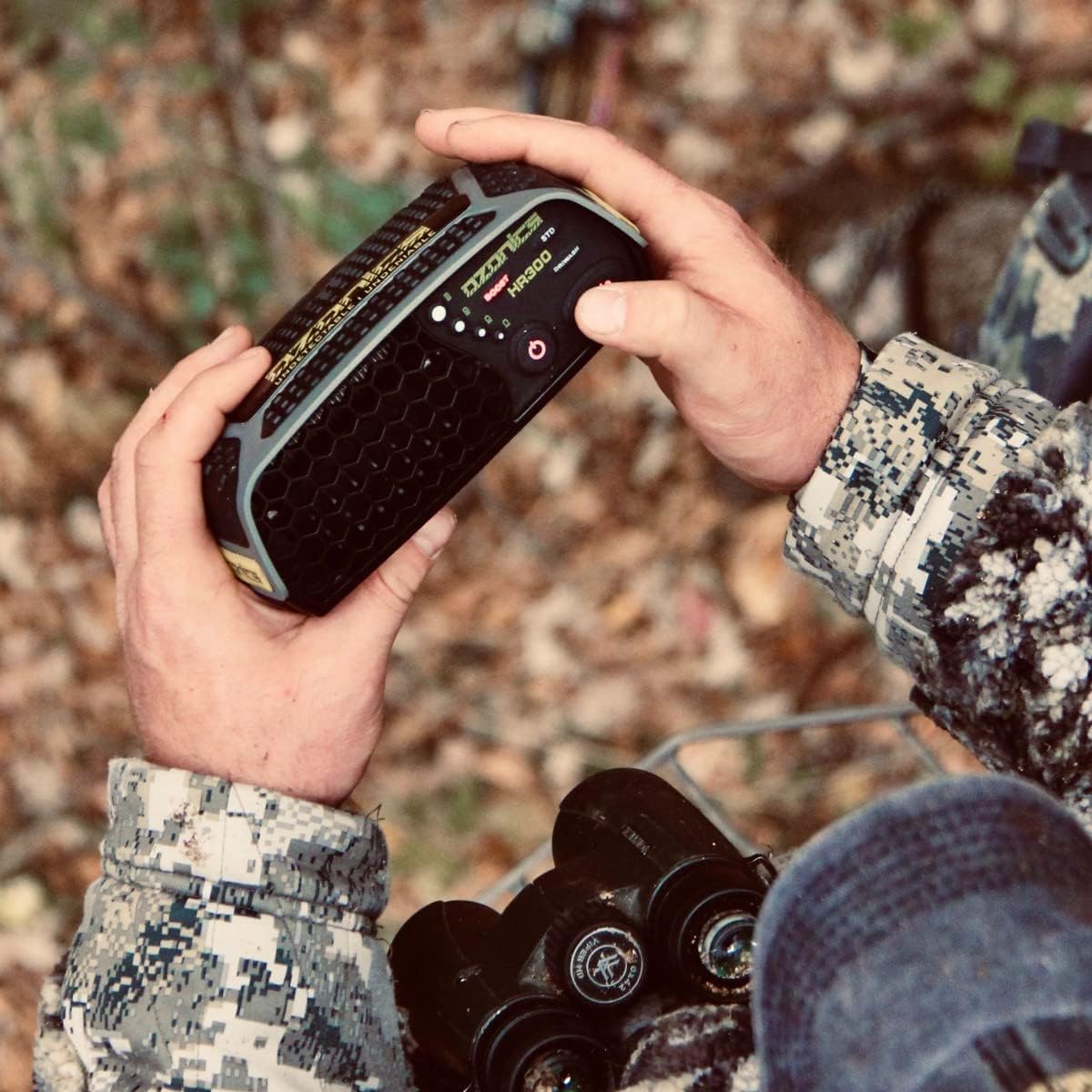
When deer season ends, predator hunting season heats up—and it’s one of the most effective ways hunters can positively impact whitetail herd health. Coyotes, foxes, and bobcats rely heavily on wind and scent to locate prey, making late winter and early spring the perfect time to put your Ozonics to work. Just like mature bucks, predators almost always attempt to circle downwind before committing, and scent control is critical to success.
From a wildlife-management standpoint, predator control plays a key role in fawn survival. According to the National Deer Association, “Predation can be a leading cause of fawn mortality in many areas, especially where habitat or weather conditions already limit fawn survival.” Reducing predator pressure ahead of fawning season helps alleviate pressure on your herd, increasing recruitment, and strengthening local deer populations by giving them a better chance to recover after winter stress.
State wildlife agencies echo this importance. The Texas Parks and Wildlife Department explains that “Coyotes are highly adaptable predators, and in some regions they can significantly impact fawn survival rates when populations are left unmanaged.” Ethical, regulated predator hunting is one of the most practical tools hunters have to help maintain balance—particularly in areas without natural population controls.
Late-season conditions make coyote hunting and predator calling especially effective. Sparse cover, colder temperatures, and predictable wind patterns force predators to depend even more on their nose. This is where Ozonics delivers a true advantage—neutralizing human scent when predators circle downwind to confirm what they are seeing and or hearing. If a predator can’t smell you, they’re far more likely to commit, creating more shot opportunities which translate into more successful sets.
Predator hunting isn’t just something to fill the offseason—it’s a long-term investment in the resource. As the U.S. Fish & Wildlife Service notes, “Responsible predator management can be an important component of healthy, balanced ecosystems.” By combining smart predator hunting strategies with advanced scent control from Ozonics, hunters can protect future fawns, sharpen critical hunting skills, and give their local deer herd the best possible chance to not only survive but thrive.